Creating Visual Flow: How to Seamlessly Integrate Flooring with Your Home’s Design Jun 04, 2026
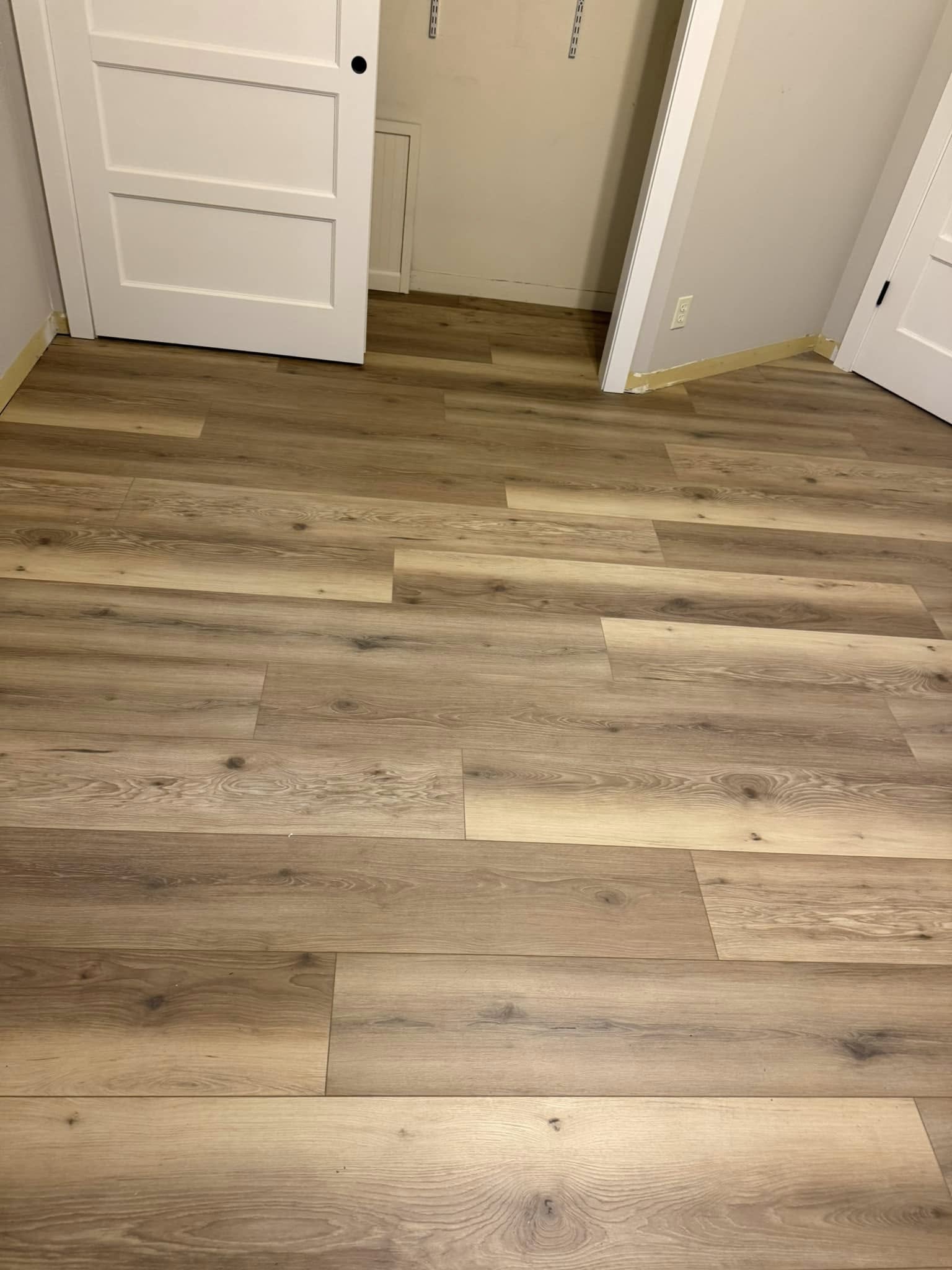
The first step in ensuring a cohesive design is understanding the role of flooring as the foundational layer of your space. Consider how you want each room to feel and how these feelings align with your design vision. For example, using hardwood floors can provide warmth and elegance, making them an ideal choice for living rooms and dining areas. On the other hand, tiles offer versatility and durability, perfect for kitchens and bathrooms. By aligning your flooring choice with specific room functions, you establish a strong base for all other design elements.
Color plays a significant role in integrating your flooring with the rest of your home. Light floors can make a space appear larger and airier, ideal for small rooms or those lacking natural light. In contrast, dark flooring can add depth and coziness, perfect for larger, open-plan areas. Matching the color of your floor with other significant elements like cabinetry, furniture, and wall paint can unify the space visually. At CJL Flooring, we recommend sampling different shades in your actual environment before making a final decision to see how the color interacts with lighting and furnishings.
Texture and material also contribute significantly to the visual flow. Mixing and matching different textures can create a dynamic and appealing aesthetic. For instance, pairing a sleek, polished concrete floor in the kitchen with a rustic, reclaimed wood in the living space can create contrasting yet complementary textures. These choices can lend a unique character to each area while maintaining a unified feel throughout the home.
When it comes to open floor plans, transitions between different areas are crucial. Choosing complementary flooring materials or transition strips can greatly assist in differentiating spaces while maintaining flow. Transition strips provide a visual cue without disrupting the overall harmony, especially when moving between distinct functional areas like the kitchen and living room. Harmonizing these elements can guide the eye naturally and enhance the perceived connectivity of your home.
Incorporating area rugs is another effective strategy to create visual boundaries and add layers to your design. Rugs can define seating areas in open spaces or add a touch of comfort underfoot while introducing new patterns and colors that echo other elements in your home.
Ultimately, the goal is to create a balanced environment where flooring complements the overarching design vision. At CJL Flooring, we offer expert guidance to help you make selections that align with both your practical needs and aesthetic preferences. By approaching flooring as an integral component of your design strategy, you can achieve visual continuity that resonates with your lifestyle and creativity.
Integrating flooring into your home’s design is about more than just aesthetics; it’s about creating an inviting and harmonious atmosphere that enhances your living experience. Trust CJL Flooring to assist in making your vision a reality with flooring choices that complement and elevate your home’s unique style.
/filters:no_upscale()/filters:format(webp)/media/39f8db77-8174-476e-a553-2aa48759fa62.jpeg)
/filters:no_upscale()/filters:format(webp)/media/e65e515f-d7c6-4455-a7e4-6469523757f5.jpeg)