The Science of Floor Cooling: Flooring Choices for Warmer Climates Apr 15, 2026
Understanding the science behind cool flooring can help you create a comfortable living space that not only feels great underfoot but also aids in temperature regulation. The right flooring can help cool your home, making it more energy-efficient and reducing reliance on air conditioning.
When considering flooring options for warmer climates, it's essential to look at materials that are naturally cooler to the touch. Tiles, especially ceramic and porcelain, are top choices due to their ability to remain cool, even during the hottest days. Their dense, hard surfaces do not retain much heat, and they're excellent at absorbing and dissipating warmth, making them ideal for homes in sunny regions.
The color of your flooring plays a pivotal role as well. Lighter shades, such as whites, beiges, or light greys, can reflect sunlight rather than absorb it, contributing to a cooler home environment. At CJL Flooring, we offer a variety of tile options in these shades to suit both your aesthetic preferences and functional needs.
Another excellent flooring option for hot climates is natural stone. Materials such as marble, granite, and limestone are not only luxurious in appearance but naturally cooling. Stone floors are renowned for their ability to stay cool to the touch, which can be a refreshing feature on sweltering summer days. While often on the higher end of the price spectrum, their durability and cooling properties can offer value and comfort in the long run.
If you're seeking a more budget-friendly alternative, consider concrete. Its thermal mass properties allow concrete floors to absorb heat during the day and release it when temperatures drop at night, creating a more balanced indoor climate. Concrete also offers a modern, industrial look that can be customized with stains or polished finishes.
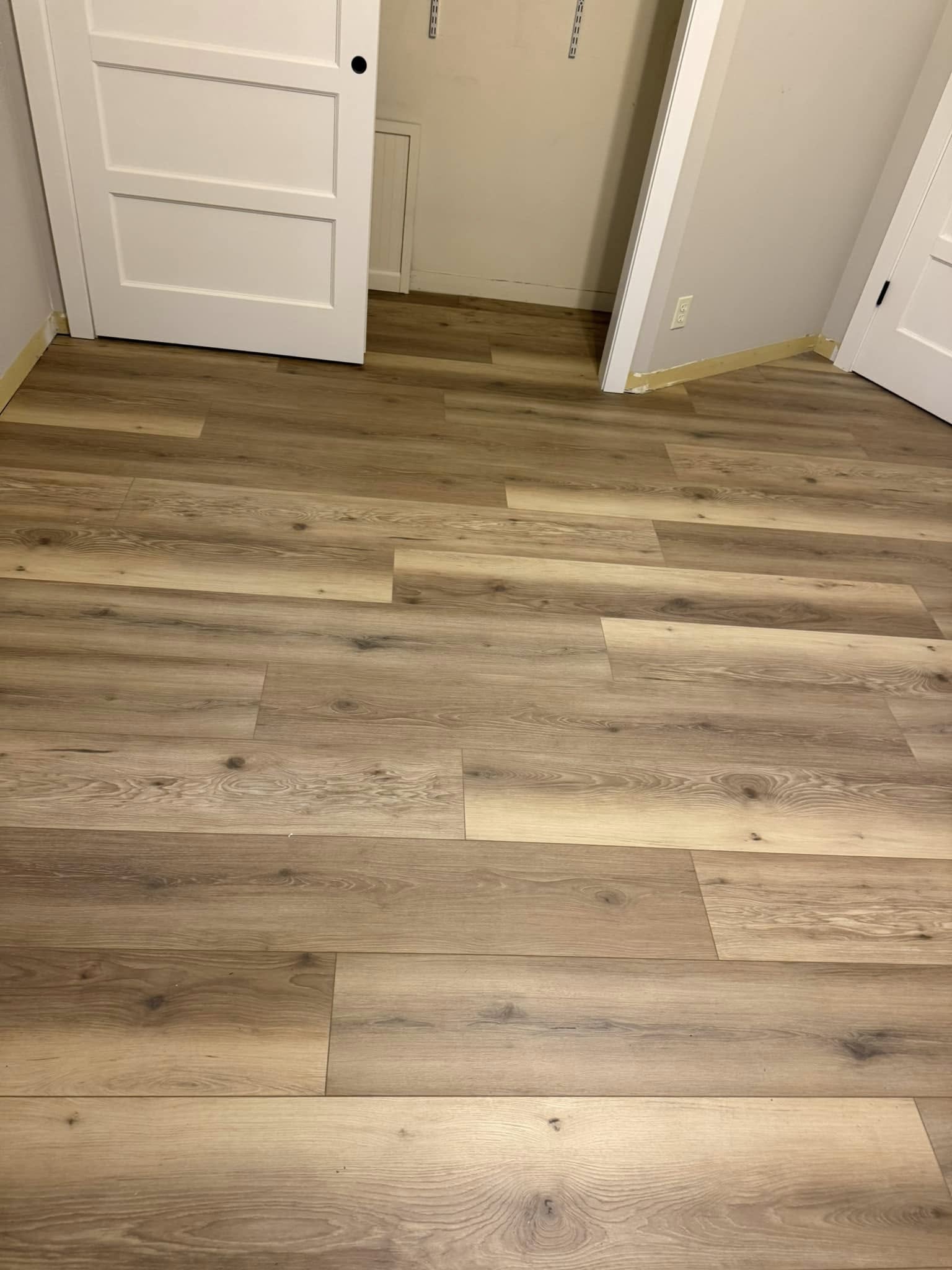
While wood flooring is typically not favored in hotter climates due to its tendency to absorb and retain heat, there are alternatives for those who prefer the look of wood. Engineered wood or bamboo can be a more suitable option. Both are designed to be more stable and less susceptible to temperature changes, offering the visual warmth and appeal of traditional wood without the heat retention drawbacks.
At CJL Flooring, we understand that choosing the right flooring is about balancing style, comfort, and practicality. We recommend that you consider not only the immediate aesthetic benefits but also the long-term effects on your home's climate. Opting for tiles, natural stone, or concrete can transform your home into a cool retreat from the heat.
In conclusion, the science of floor cooling is a valuable aspect of home design, especially in regions where temperatures regularly rise. By selecting the right flooring materials, you not only enhance the comfort and efficiency of your home but also make a sound investment in your property's future. Contact us at CJL Flooring to explore your options and start your journey to a cooler, more comfortable home.
/filters:no_upscale()/filters:format(webp)/media/39f8db77-8174-476e-a553-2aa48759fa62.jpeg)
/filters:no_upscale()/filters:format(webp)/media/e65e515f-d7c6-4455-a7e4-6469523757f5.jpeg)