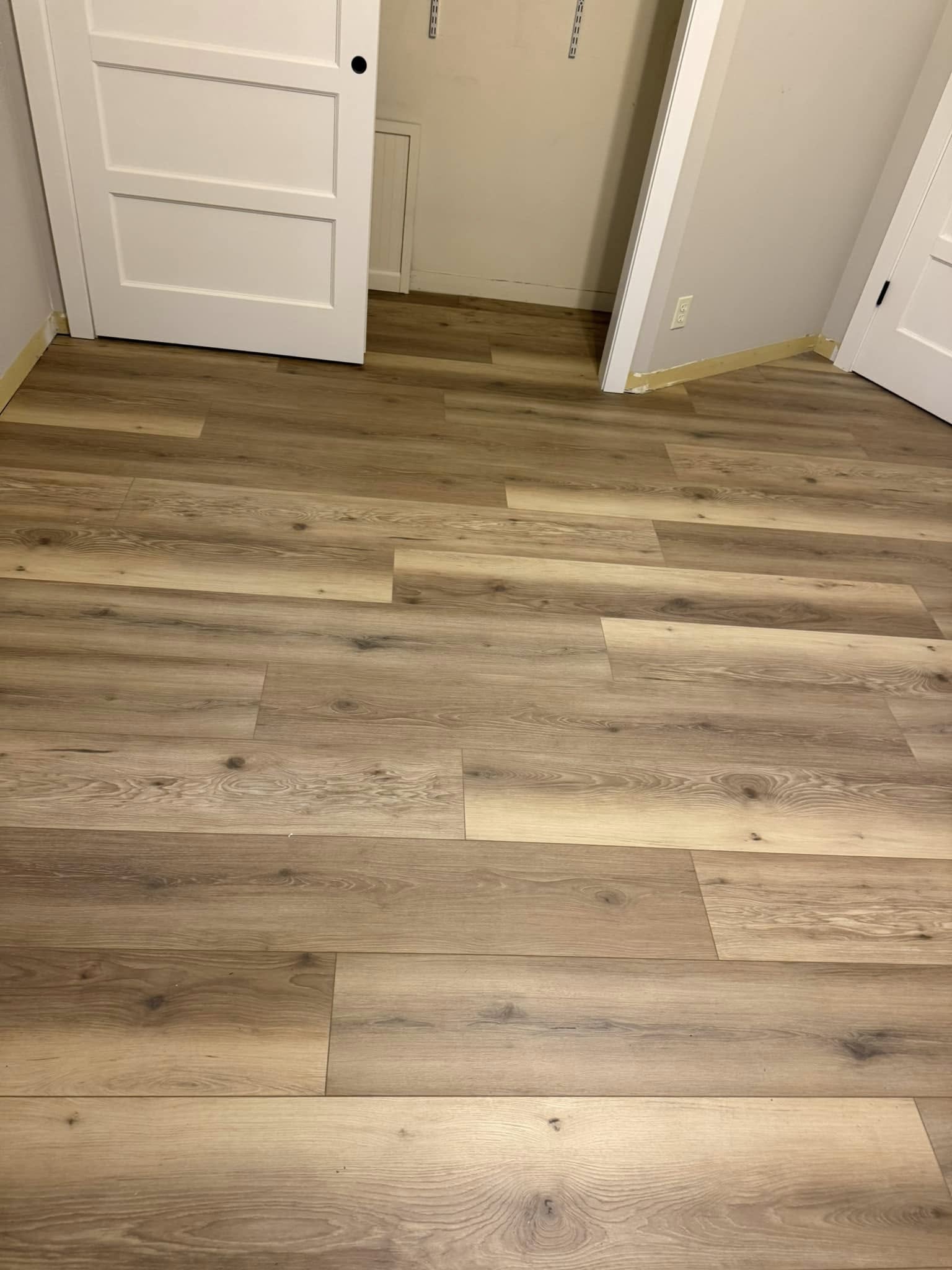
Transform Your Living Space: Expert Advice on Mixing Flooring Styles Apr 25, 2026
Deciding to mix flooring styles may seem daunting. However, when done correctly, it can solve various issues such as demarcating areas within an open-plan layout or bringing continuity to disparate sections of your home. The first step is to ensure a seamless transition between different flooring types. This is vital for maintaining a cohesive look.
Choosing complementary colors and textures is key. For instance, if you have a sleek, modern kitchen with light-colored tiles, extending similar hues or materials into an adjoining living area with a warm hardwood can offer a stylish yet unified setup. Ensuring continuity in color palettes helps create a smooth visual flow from one room to another.
Another important aspect to consider is the balance between styles. It’s crucial to balance the flooring types so that one does not overshadow the other. A popular trend has been mixing natural wood floors with cement or tile. This not only defines different zones within open spaces but also introduces textural interest. When implementing this, think about the grain and color of the wood in relation to the stone or tile patterns you wish to incorporate.
Think about the functionality of each area. For spaces with high foot traffic such as hallways or kitchens, opt for more durable options like tiles or vinyl, while adding a softer touch in less busy areas like bedrooms with plush carpets. Incorporating different materials based on the utility of each space leads to practical yet cohesive flooring solutions.
Using area rugs can be a smart way to transition between flooring types. They act as unifying elements that tie together different sections of your home. If you are mixing wood and tile, an area rug can serve as a buffer, softening the transition and offering additional comfort underfoot. For smaller spaces, rugs can demarcate functionality—such as dining versus sitting areas—and add layers of color and texture without changing the actual flooring.
Lighting plays a significant role in how your flooring looks. Different flooring materials will reflect light differently, affecting the overall ambiance of the room. Make sure to evaluate your lighting to see how it interacts with each flooring style to optimize room aesthetics and energy flow.
Finally, employing professional installation is crucial for ensuring that your flooring styles merge flawlessly. At CJL Flooring, our experts are adept at managing varied materials, guaranteeing not just a beautiful finish but also long-lasting durability.
In summary, mixing flooring styles can provide endless opportunities for enhancing your living space. By strategically choosing complementary colors and textures, balancing different styles, considering functionality, and using professional installation services, you can create a distinctive and visually appealing environment. Embrace the opportunity to personalize your home while maintaining harmony and practicality. If you're ready to transform your living space, the experts at CJL Flooring are here to help bring your vision to life.
/filters:no_upscale()/filters:format(webp)/media/39f8db77-8174-476e-a553-2aa48759fa62.jpeg)
/filters:no_upscale()/filters:format(webp)/media/e65e515f-d7c6-4455-a7e4-6469523757f5.jpeg)